
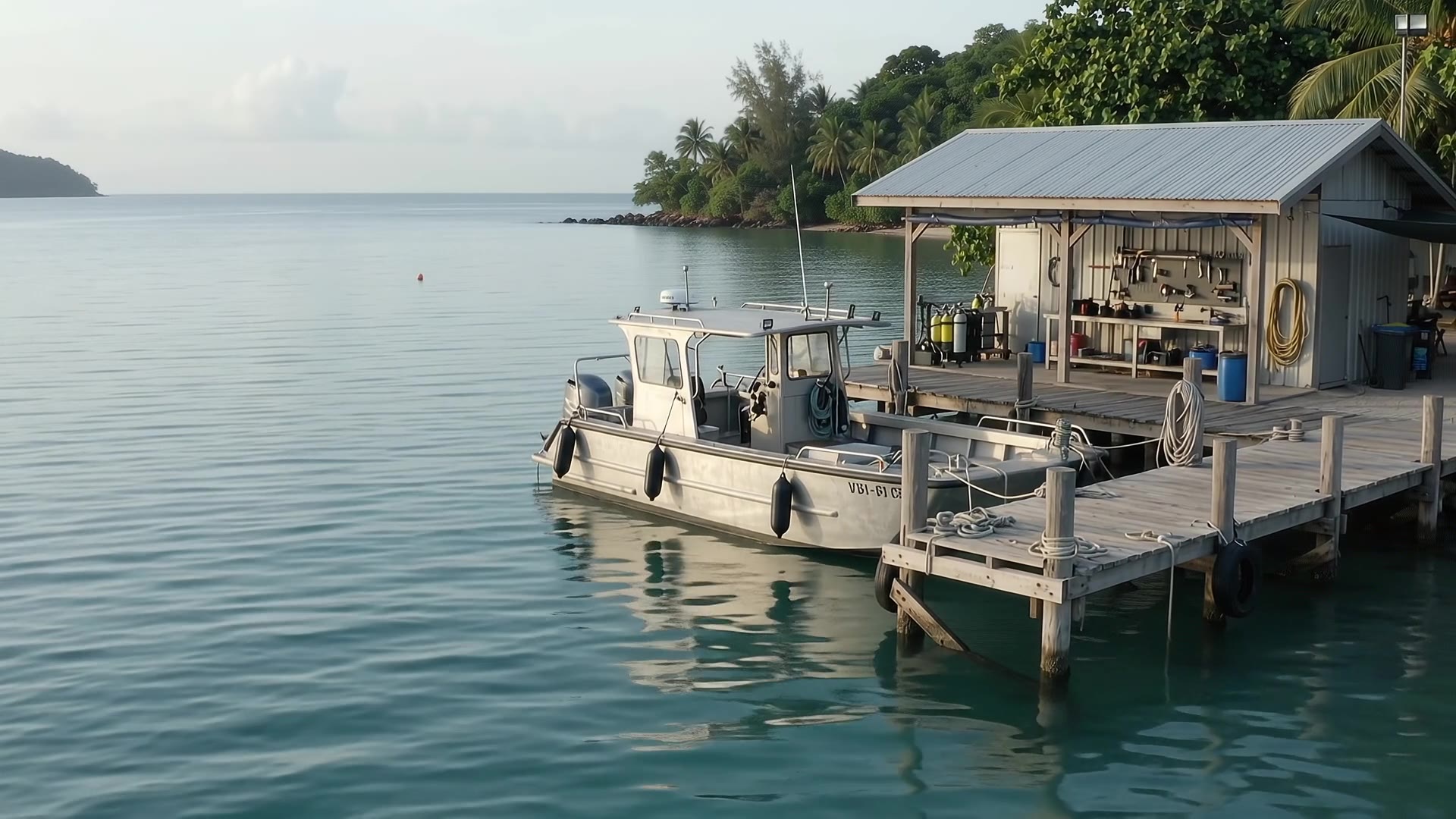
Buying a Dive Business

Buyers evaluating dive centres, resorts, or liveaboards often focus on location, reef quality, occupancy potential, and brand position. Those matter, but the deeper commercial exposure usually sits in infrastructure condition, maintenance liability, and deferred lifecycle cost.

What Buyers Commonly Miss

A dive business can appear commercially attractive while carrying hidden operational fragility beneath the surface. Compressors may be near end of life, cylinder fleets may be approaching testing or replacement cliffs, boats may be operating on deferred maintenance, and critical systems may depend on informal workarounds rather than disciplined control.

In remote or island settings, these weaknesses are amplified by parts latency, limited engineering support, import friction, and reduced redundancy. What looks like a healthy operation from the guest side may in fact be carrying substantial unpriced infrastructure risk.

Key Risk Areas

Compressor Infrastructure

Compressors sit at the centre of operational continuity. Buyers should assess age, service history, filtration discipline, redundancy, spare-parts access, and whether the operation can sustain downtime without immediate revenue disruption.

Cylinder Fleet Liability

Tank fleets can conceal major forward cost. Inspection cycles, hydro dates, corrosion exposure, valve condition, barcode traceability, and replacement age bands all affect whether the fleet represents usable capacity or a near-term capital burden.

Boat Fleet Maintenance

Engines, hulls, fuel systems, bilge arrangements, electrical reliability, and spares availability determine whether the marine side of the business is resilient or fragile. Deferred marine maintenance can convert quickly into lost diving days and sudden CapEx.

Rental Equipment Exposure

Regulators, BCDs, wetsuits, masks, and other rental equipment often operate under heavy utilisation. Buyers should assess age profile, service records, replacement cadence, and whether condition standards are actually enforced or merely assumed.

Gas Infrastructure

Nitrox and trimix capability depends on more than marketing claims. Buyers should examine blending hardware, oxygen-clean discipline, analyser reliability, staff competence, and whether gas production is governed through repeatable controls or informal practice.

Utilities and Site Support

Water-making systems, generators, power transfer arrangements, refrigeration, internet architecture, and waste systems often sit outside the visible sales story but materially affect operating stability and guest experience.

Governance Questions Worth Asking

Why This Matters

Buying a dive business is not only a demand-side decision. It is also an acquisition of a physical operating system with embedded liabilities, deferred cost, and varying levels of resilience. A buyer who sees only bookings and branding may inherit a system already weakened by silent deterioration.

Good acquisition judgement requires more than valuation multiples. It requires visibility into asset integrity, maintenance governance, and infrastructure fragility before the commercial handover takes place.

Back to Publications